
Professional Certificate in Ecotherapy-Informed Practice
Integrate nature-centered, evidence-informed approaches into your existing practice — ethically, practically, and with confidence.
Designed for coaches, educators, wellbeing practitioners, and community professionals seeking grounded tools for real-world application.
Start the Free Lesson
Immediate access. No prior experience required.
Access the Free Preview Lesson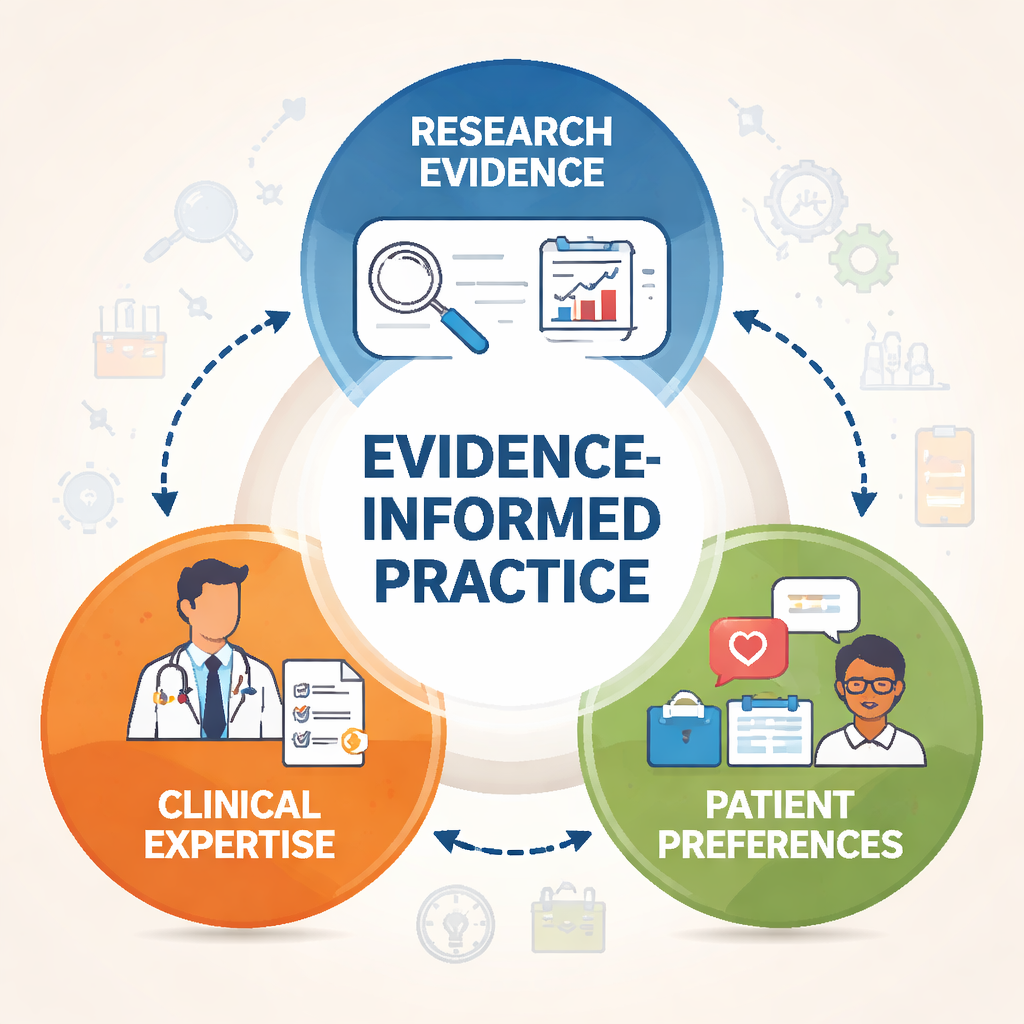
Evidence-Informed Learning
Ground your nature-based work in psychological research, ethical standards, and culturally respectful frameworks — not trends or assumptions.

Ethical & Professional Practice
Learn to integrate ecotherapy responsibly, honoring Indigenous perspectives, community contexts, and the environments you work within.
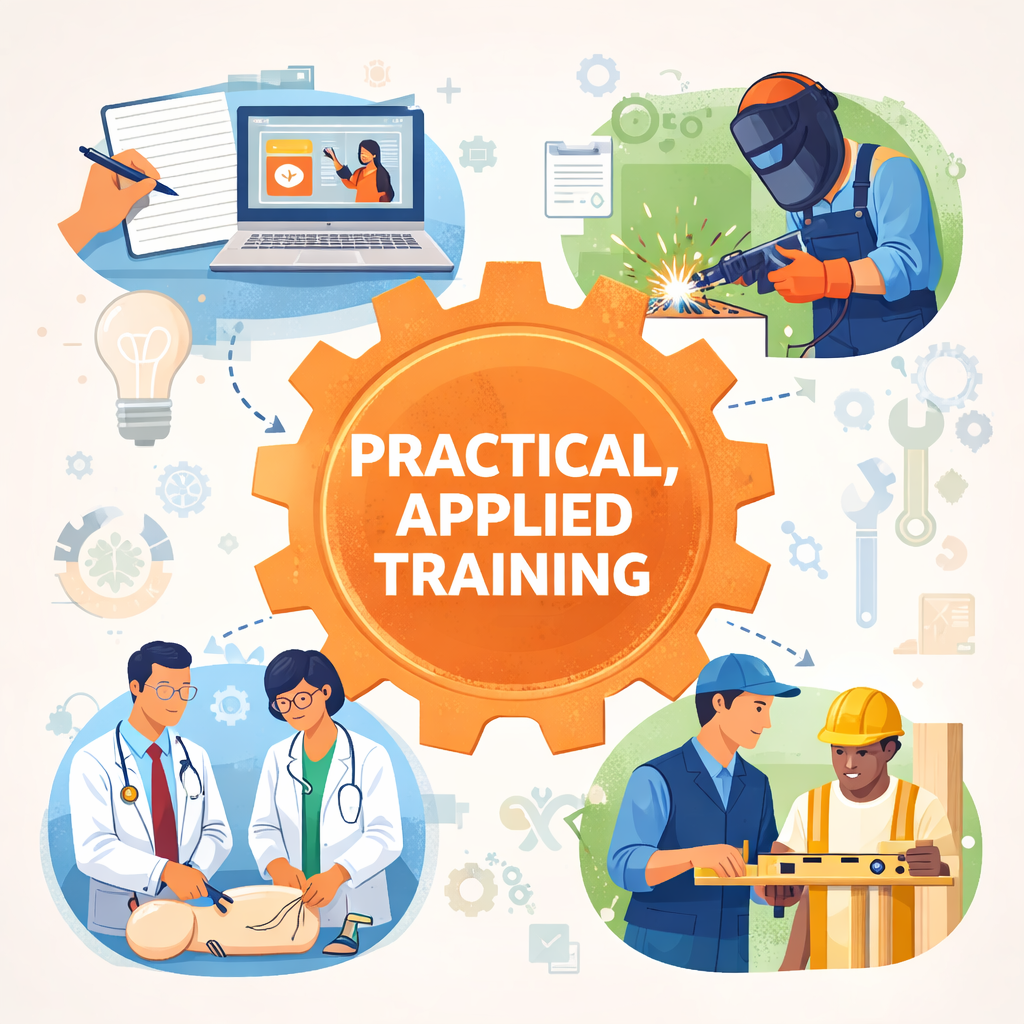
Practical Application
Move beyond theory with structured tools, real-world session design, and hands-on exercises that prepare you to work confidently in natural environments.
Who This Training Is For
This program is designed for professionals who feel called to work differently.
You may currently be:
• Working indoors all day and craving more time in natural environments
• Feeling disconnected from purpose in a conventional 9–5 structure
• Wanting to support others in a way that feels grounded and meaningful
• Seeking a professional pathway that aligns with your values
• Ready to integrate nature into your work — ethically and responsibly
This training is suitable for coaches, educators, wellbeing practitioners, community workers, and professionals exploring a thoughtful career transition into nature-centered practice.
You do not need to abandon your existing skills. This certificate helps you build on them — with structure, clarity, and integrity.
This program operates within non-clinical scope and does not qualify participants as psychologists or licensed therapists.

What You Will Gain
By completing this certificate, you will:
- Understand the foundations of ecotherapy-informed practice
- Apply nature-based frameworks ethically and responsibly
- Design structured nature-centered sessions or activities
- Strengthen your professional confidence and clarity
- Develop reflective skills that deepen your work with others
This is practical training focused on application — not abstract theory.
A Structured, Professional Learning Experience
The program is delivered through clearly defined modules, combining foundational theory, practical frameworks, reflective exercises, and real-world application guidance. Self-paced. Structured. Professionally grounded.
What You Will Learn
-
FREE PREVIEW
1 lesson- Foundations of Applied Ecopsychology (+15 Min Regulation Framework)
-
UNIT 0: GETTING STARTED
2 lessons- Course Overview
- References and Recommended Readings
-
UNIT 1: INTRODUCTION TO APPLIED ECOPSYCHOLOGY (ECOTHERAPY)
7 lessons- Unit 1 Summary Video
- Unit 1 Introduction and Learning Outcomes
- Definitions and Key Principles
- History and Culture of Nature-Based Healing
- The Science of Ecotherapy
- Overview of Ecotherapy Techniques
- Unit 1 Quiz
-
UNIT 2: NATURE AND MENTAL HEALTH
11 lessons- Unit 2 Summary Video
- Unit 2 Introduction and Learning Outcomes
- Psychological Benefits of Ecotherapy
- Physiological Benefits of Nature
- Nature and Stress
- Nature and Emotional Regulation
- Nature and Mood Support
- Practical Ways to Use Nature For Mental Health
- Nature-Based Approaches for Trauma Support
- Self-Reflection and Mindfulness
- Unit 2 Reflection Exercise
-
UNIT 3: INTEGRATING ECOTHERAPY TECHNIQUE FRAMEWORKS
16 lessons- Unit 3 Summary Video
- Unit 3 Introduction and Learning Outcomes
- Green Exercise and Movement-Based Ecotherapy
- Getting Started with Green Exercise
- Green Play for Children
- Forest Bathing (Shinrin-Yoku)
- Animal-Assisted Ecotherapy
- Wilderness Therapy
- Nature Mindfulness and Meditation
- Ecotherapy for Social Connection
- Nature Journaling and Creative Expression
- Blue Mind Therapy
- Adventure Therapy
- Agrotherapy (Therapeutic Farming)
- Ecospirituality
- Unit 3 Experiential Activity
-
UNIT 4: ECOTHERAPY IN PRACTICE
6 lessons- Unit 4 Summary Video
- Unit 4 Introduction and Learning Outcomes
- Ethical Considerations
- Creating Safe Spaces
- Blending Ecotherapy with Traditional Therapies
- Unit 4 Quiz
-
UNIT 5: WORKING WITH NATURAL ENVIRONMENTS
9 lessons- Unit 5 Summary Video
- Unit 5 Introduction and Learning Outcomes
- Urban Ecotherapy
- Using Parks, Beaches, and Bushland
- Ecotherapy in Diverse Settings
- Safety and Risk Management
- Risk Management Plan
- Ensuring Participant Safety
- Unit 5 Experiential Activity
-
UNIT 6: CONNECTION, CULTURE, AND COMMUNITY
7 lessons- Unit 6 Summary Video
- Unit 6 Introduction and Learning Outcomes
- Community-Based Nature Therapy
- Global Cultural Perspectives on Nature-Based Healing
- Indigenous Perspectives in Ecotherapy
- Australian Aboriginal Understandings of Land and Healing
- Unit 6 Quiz
-
UNIT 7: CREATIVE AND EXPERIENTIAL ECOTHERAPY
7 lessons- Unit 7 Summary Video
- Unit 7 Introduction and Learning Outcomes
- Journaling, Storytelling, and Reflective Writing
- Art-Based Ecotherapy
- Fluid Art as a Nature-Based Practice
- Ecotherapy for Self-Care and Personal Growth
- Unit 7 Experiential Activity
-
UNIT 8: PROGRAM DESIGN AND FACILITATION
10 lessons- Unit 8 Summary Video
- Unit 8 Introduction and Learning Outcomes
- Structuring Individual Sessions
- Structuring Group Sessions
- Selecting Nature Activities to Meet Therapeutic Goals
- Adapting for Age, Ability, Trauma History, and Neurodiversity
- Building Rapport
- Managing Emotional Responses and Group Energy
- Virtual Reality in Ecotherapy: Individual and Group Applications
- Unit 8 Final Assessment
-
UNIT 9: STEPPING FORWARD AS AN ECOTHERAPY-INFORMED PRACTITIONER
3 lessons- Applied Ecopsychology Toolkit for Practitioners
- Starting Your Own Nature-Based Practice
- Next Steps & Summary Video
Rebecca Lawson - Career Transition Participant
“After 12 years working in corporate administration, I knew I wanted a career that felt more aligned with my values and connection to nature. This training gave me a structured, responsible pathway to transition into wellbeing work without abandoning professionalism. It helped me move forward with clarity rather than impulse.”
Michael Tran - Disability Support Worker
“As a disability support worker, I was already working closely with people’s wellbeing, but I wanted more meaningful tools beyond indoor activities. This certificate provided practical frameworks I could safely integrate into community and outdoor settings. It strengthened my confidence while reinforcing clear ethical boundaries.”
Dr. Hannah Whitfield - Clinical Psychologist
“As a registered psychologist, I appreciated the program’s respect for scope and evidence. It does not attempt to replace clinical training, but instead offers thoughtful, research-informed perspectives on human–nature connection that can complement therapeutic work when applied appropriately.”
How Graduates Apply This Training