
The Applied EcoPsychology Framework™
A structured integration model grounded in research, ethics, and applied practice.
The Applied EcoPsychology Framework™ connects ecological theory, restoration science, and professional application. It provides practitioners with a clear, non-clinical structure for integrating nature-informed principles into existing professional contexts.
The framework supports practitioners in translating research on the human–nature relationship into ethical, real-world practice.
The Five Pillars of the Framework
1. Scope & Ethical Boundaries
Establishing clear differentiation between clinical therapy and non-clinical practice. This pillar focuses on referral literacy, risk awareness, and professional safety.
2. Nervous System & Restoration Science
A deep dive into the physiology of stress, exploring Attention Restoration Theory (ART) and the biological principles of regulation and recovery.
3. Evidence-Informed Nature Interventions
The structured application of research-supported methods, including green exercise, forest bathing principles, and nature-integrated reflective practice.
4. Cultural & Contextual Awareness
A commitment to ecological ethics, local environmental contexts, and deep respect for Indigenous perspectives and land-based wisdom.
5. Professional Integration
Practical application strategies for health, education, coaching, and organizational environments—ensuring nature is integrated without exceeding professional scope.
Research & Theoretical Foundations
The Applied EcoPsychology Framework™ is grounded in rigorous academic scholarship and contemporary wellbeing studies, translating complex research into actionable professional tools:
-
Environmental Psychology: The study of human-environment transactions.
-
Restoration Theory: Kaplan & Kaplan’s Attention Restoration Theory and Ulrich’s Stress Reduction Theory.
-
Ecopsychology Foundations: Grounded in the works of Roszak et al.
-
Contemporary Science: Nature-based mental health research and resilience studies.
Applying the Framework
The Applied EcoPsychology Framework™ informs how we design our training, tools, and learning resources.
Our approach supports professionals seeking a structured and ethical way to explore how nature-informed principles can complement their existing work.
Our programs and materials are commonly used by professionals such as:
- counselors exploring non-clinical nature-based approaches
- coaches incorporating regulation and resilience frameworks
- educators integrating environmental and wellbeing perspectives
- allied health or wellbeing practitioners expanding contextual approaches
- community professionals designing nature-informed programs
Many professionals are also simply exploring how the human–nature relationship may inform their work and are seeking structured guidance around scope, ethics, and responsible application.
The framework is designed to support integration within a professional’s existing scope of practice.
All training and resources operate within non-clinical boundaries and do not qualify participants as psychologists or licensed therapists.

Example Case Study
Integrating Nature-Based Reflection in Community Wellbeing Programs
A community wellbeing facilitator working with adults experiencing high levels of stress was interested in incorporating nature-informed approaches into existing group sessions. Using guidance from the Applied EcoPsychology Framework™, the facilitator explored how natural environments could support reflection and emotional regulation without changing the core structure of the program.
Rather than moving the entire program outdoors, small nature-based elements were gradually introduced. Group reflection activities were occasionally conducted in nearby green spaces, and participants were encouraged to engage in brief observational exercises focused on sensory awareness in natural environments. These activities were integrated alongside the facilitator’s existing wellbeing and discussion-based practices.
Over time, participants reported that the outdoor sessions created a calmer atmosphere and supported more open conversations. Many also began incorporating short nature walks or quiet time in natural settings into their personal routines between sessions.
This example illustrates how the Applied EcoPsychology Framework™ can support professionals in thoughtfully integrating nature-informed perspectives into existing programs while remaining within their established scope of practice.
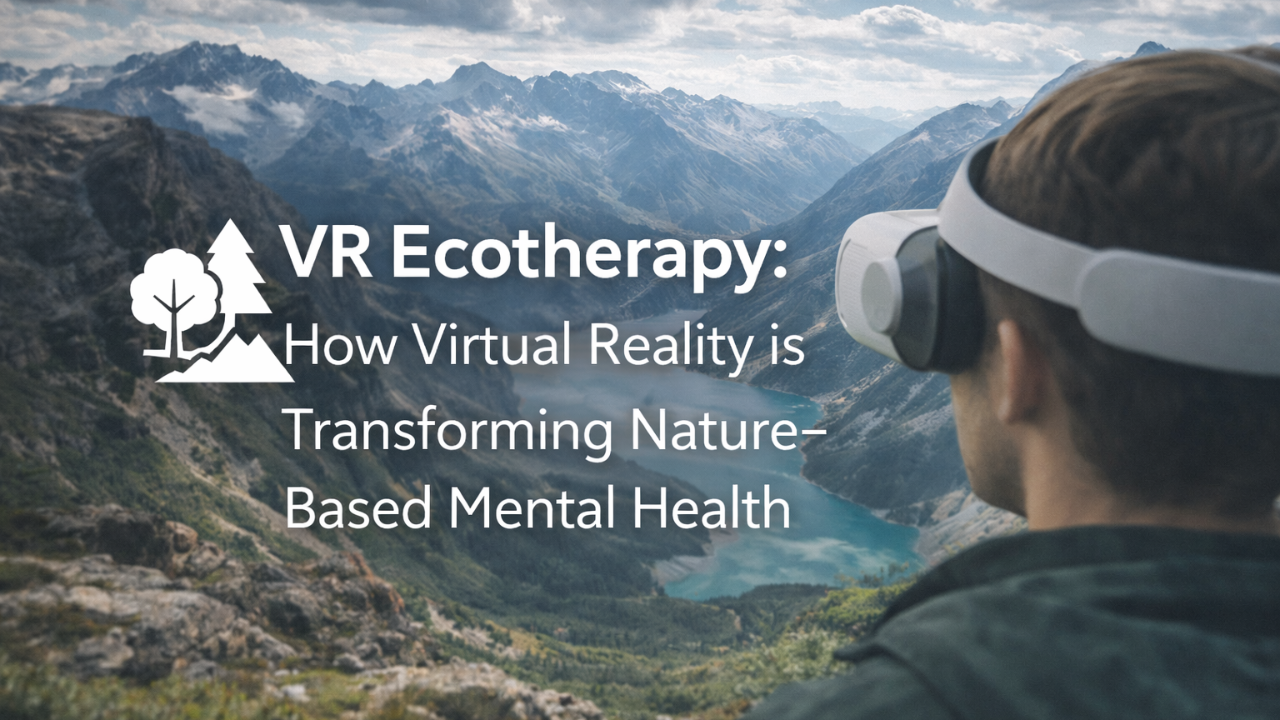



Begin With the Preview Module
Experience the foundational principles of the Applied EcoPsychology Framework™ with the Professional Certificate in Ecotherapy-Informed Practice (EIP).
Access the Preview Module